Tomato Planting
Varieties we have had success with:
Heirloom: Cherokee Purple (my favorite!), Yellow Pear, Tigerella, La Roma (waited to produce until fall, might wait to plant later in the season), Little Currant or Texas Wild Cherry Tomato
Hybrid: 444, Celebrity, Carnival, Sweet 100, Sungold
Heirloom vs. hybrid: I love the taste and differences of heirlooms, but plant a few hybrids to reduce chance of disease failure. "Modern hybrids are bred mostly for productivity and disease-resistance, taste is often overlooked. But in general, hybrids are easier to grow and less prone to failure. They are more productive than heirlooms and are very reliable crop bearers. Heirloom tomatoes are more unique in their flavor, color, size, and shape. Indeed, the unique characteristics of a particular heirloom variety cannot be duplicated, and that is something that many growers value. Also note that hybrids are a lot more popular, and they are the ones most commonly sold in your local stores. "
Determinant—produces all at once and is finished—Roma types,
Indeterminant—continues producing through the season (unless it gets too hot)
Soil Prep (from Howard Garrett): Plant tomatoes in well-prepared soil with lots of compost, lava sand, rock phosphate, and organic fertilizer.
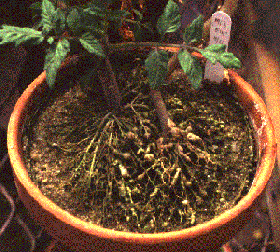
*Pre-planting Plant Prep: pinch tomato branches at bottom of plant until you have a few branches at the top canopy. Loosen roots from the soil ball. Then soak root ball in Worm Wine, if you have it or at least in water. The Worm Wine acts to combat issues the plant might have brought with it from the nursery and as a root stimulator. The microbes attach to the roots and help the plant better uptake nutrients. Also, if you simply put the plant in the ground, it’s cell “pores” are not open and able to uptake moisture/nutrients very well from there forward.
Planting: tomatoes are one of the few plants you plant as deep as possible. The little hairs on the stem will become roots and help you have a stronger plant “foundation”.
Top Dressing: 1) I add a small handful of rock phosphate to reduce blossom end rot potential 2) I add a handful of alfalfa meal as fertilizer in a ring around plant , being careful not too touch plant with it (it can burn) 3) I add a generous handful of vermicompost. My vermicompost has crushed egg shell, which adds calcium, as well as other nutrients and beneficial microbes.
*Mulching: I mulch around bare soil—be careful not to cover up the stem, or areas you might plant companion plant seeds. Mulching means placing material over (not mixed in) the soil to protect the soil, roots, and beneficial microbes. It also helps conserve moisture, and when the dew point is reached, nitrogen is released back to the roots of the plant. Mulch provides cover for beneficial garden helpers like lizards and toads and beneficial insect larvae. I use fall leaves or rotted straw as my mulch of choice.
*Watering: Get to know your soil. Use your hand spade to check ground 3-6 inches down. Over-watering leads to fungal problems and blossom end rot, but tomatoes do not want to be dry. Look for leaf roll, which can indicate too wet or too dry conditions
Fertlizing: Fertilize at planting and not again until you see your first fruit on the plant. Too much fertilizer can cause lots of beautiful foliage, but no fruit. When you see the first baby tomato, foliar feed the leaves of the plant every 2 weeks with Worm Wine, Garret Juice, or other natural foliar feed.
Weather: Wait for soil temps to be warm enough (Late March or First week of April in DFW). A series of cloudy days can cause flowers to drop without fertilizing. When temps get above mid 90s, bigger tomatoes will especially have trouble setting fruit. If plant is healthy, and an indeterminate, it should revive in September for a fall harvest.
Companion planting: www.ghorganics.com/page2.html
Marigolds: for nematodes
Basil: Plant with tomatoes to improve growth and flavor. Basil also does well with peppers, oregano, asparagus and petunias. Basil can be helpful in repelling thrips. It is said to repel flies and mosquitoes.
Borage: Companion plant for tomatoes, squash, strawberries and most plants. Deters tomato hornworms and cabbage worms. One of the best bee and wasp attracting plants. Adds trace minerals to the soil and a good addition the compost pile. The leaves contain vitamin C and are rich in calcium, potassium and mineral salts. Borage may benefit any plant it is growing next to via increasing resistance to pests and disease. It also makes a nice mulch for most plants. Borage and strawberries help each other and strawberry farmers always set a few plants in their beds to enhance the fruits flavor and yield. Plant near tomatoes to improve growth and disease resistance. After you have planned this annual once it will self seed. Borage flowers are edible.
Tomato Pests
http://www.kdcomm.net/~tomato/Tomato/Insect/insect.html
Insects: Organic Controls
In Moderation: Diatomaceous earth (can harm bee population). Sprinkle DE in the evening and water down in the early morning to reduce beneficial insect harm.
Good Practice: organic Insecticidal soap
Best practice: Sanitation, health, proper spacing and support, companion planting, beneficial insects (ladybugs, lacewings), toads, lizards, geckos, parasitic nematodes to destroy larvae
- aphids
- thrips
- spider mites
- whiteflies
- leafhoppers
- stinkbugs
- leaf-footed bug
- Colorado potato beetle
- flea beetles
Moth/caterpillars
Best practices: watch, remove, use trichogama wasps
If you see a Hornworm with white trichograma wasp larvae attached—leave nature be!
- tomato hornworm –Sphinx moth. Watch for stripped leaves, big droppings and alien looking beast
- cutworm
- corn earworm
- army worm
nematodes
Best practice: French Marigold (T. patula) has roots that exude a substance which spreads in their immediate vicinity killing nematodes. For nematode control you want to plant dense areas of them. There have been some studies done that proved this nematode killing effect lasted for several years after the plants were These marigolds also help to deter whiteflies when planted around tomatoes and can be used in greenhouses for the same purpose. Whiteflies hate the smell of marigolds. Do not plant French marigolds next to bean plants.
- root-knot nematode
- sting nematode
- stubby-root nematode
Tomato Diseases:
Blossom End Rot, Wilt, Fungal Diseases, Blights
Avoid By: Don’t over-water or stress plants, add rock phosphate at planting
Use Crop rotation, have enough Circulation, avoid splashing water from soil, reduce pests, keep up plant health, spacing/air circulation, avoid overwatering, foliar feed with Worm Compost Tea or Garret Juice (might add garlic to those teas, a natural antifungal agent)
Harvesting: I pick tomatoes at the first hint of color on that fruit and put in a windowsill. That way, your plant can focus energy on other production and no pests will get my tomato! The tomato tastes the same, unless you put it in the refrigerator, then it loses that wonderful taste.
*What to do with the plant when it is done/diseased: While I hate to suggest the landfill, I believe tomatoes have too many diseases and issues and I do not like to put the plant in my compost, worried it might impact next year’s crop. If you have separate, non-veggie garden compost, then you could put it in there for use in flower beds or landscaping use.

Comments